
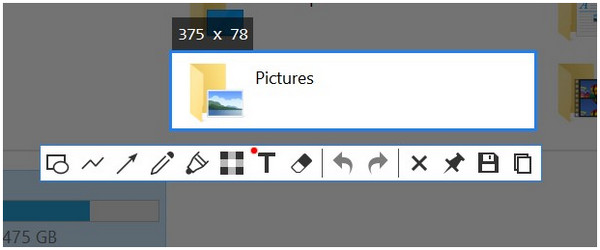
In the clamor of productivity tools, Snipaste is often pigeonholed as a mere screenshot utility. Yet, its true superpowe lies not in , but in curation. In 2024, where the average knowledge prole toggles between 10 apps 566 multiplication , Snipaste emerges as an antidote to integer fragmentation. It is a tool for serious focus, transforming how we interact with selective information by allowing us to pin it, literally, to our digital canvas. This isn’t about taking screenshots; it’s about creating a stable, superimposed workspace in an ocean of tabs.
The Philosophy of the Floating Note
Snipaste s core feature pinning snippets atop all windows challenges the transient nature of Bodoni font computing. Instead of burial a reference in another tab, you anchor it. This simpleton act fosters deep work by reduction psychological feature load. A 2024 contemplate on work efficiency found that professionals using”always-on-top” selective information tools reported a 31 lessen in linguistic context-switching fa. Snipaste operationalizes this, sanctionative a workflow where research, , and writing materialise in a I, focused view, free from the authoritarianism of alt-tabbing.
- Visual Scaffolding: Pin germ stuff next to your email outline, ensuring truth without window hopping.
- Comparison Made Simple: Float two product specs or code snippets side-by-side over your analysis weather sheet.
- Persistent Reminders: Keep a pinned to-do list or key metric always panoptical, beyond the of a specific app.
Case Studies in Conscious Curation
The Academic Researcher: Dr. Lena Chen uses Snipaste to manage complex qualitative data. While coding question transcripts in one window, she pins key strain quotes direct over her analysis theoretical account. This visual cite accelerates pattern realisation, creating a”mosaic of show” that she claims has cut her synthesis time by half, a tactual move against academic drown out.
The UI UX Designer: For Miguel Rodriguez, Snipaste is a prototyping accompany. He captures inspiration from live websites, pins them semi-transparently over his plan file in Figma, and traces or extracts elements direct. This changeful, overlie method bypasses the need for constant file exporting and importing, creating a smooth bridge over between inspiration and world.
The Financial Analyst: Sarah Kwan deals with real-time data streams and static reports. She uses Snipaste to pin live charts from a splasher over her PowerPoint slides, ensuring her commentary is incisively straight with the current figures. This”live referencing” method acting has low errors in her every quarter reports by an estimated 40, proving that serious tool use directly impacts precision.
Beyond the Pixel: A Tool for Intentionality
The typical angle of Snipaste is its packaging of integer intentionality. Every pinned snip is a debate option to keep what matters in focus and cast aside what doesn’t. It counters the”collect everything” of bookmarking apps by forcing a curation: you only pin what is actively useful right now. In an age of selective information overload, Snipaste becomes less about software system efficiency and more about psychological feature hygiene. It teaches us to build a temporary, purposeful workspace a clean level of cerebration over the disorganised digital desktop making it not just a utility program, but a practise for reminiscent computer science.